 es
es en
en

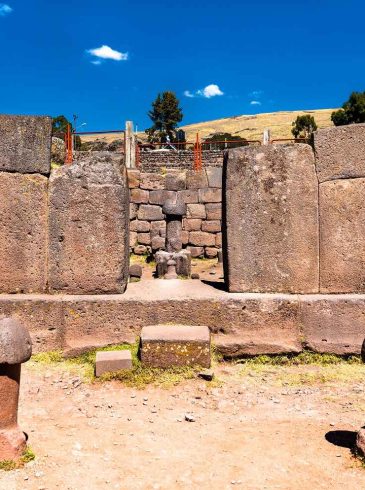
Chucuito, founded on April 2, 1564, is a district with a rich history and a blend of cultures. With a population of 9,316, its economy is based on agriculture, livestock farming, fishing, handicrafts, and tourism.
The district is famous for its colonial churches, its religious fervor, and its cuisine, especially fried trout. Chucuito is also known for its celebrations, such as the festival of Our Lady of the Rosary in October, which features bullfights, dances, and processions.
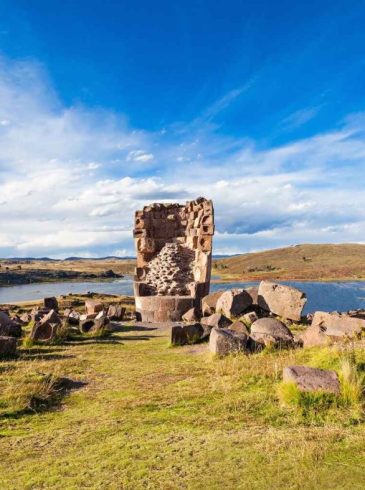
The Sillustani Archaeological Complex is an impressive necropolis dating back to the Kolla culture (13th-15th centuries). This site contains at least 90 monumental tombs, known as Chullpas, which vary in shape and size, some reaching up to 12 meters in height.
Characterized by their advanced stone carving techniques, these cylindrical tombs were constructed using materials such as stone, ashlar, and mud, and are notable for their excellent state of preservation.
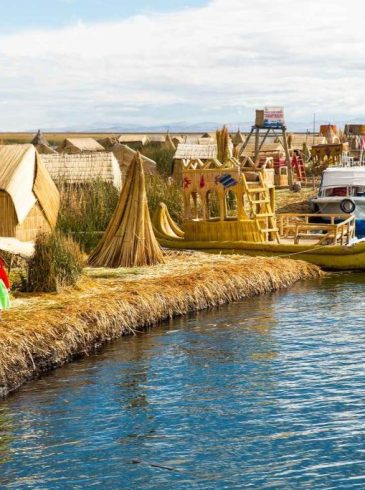
Recognized as an ancestral, indigenous people of Peru, the Floating Islands of the Uros are a group of artificial islands on the Peruvian side of Lake Titicaca. Created by the Uros people, these islands are part of the Titicaca National Reserve and are constructed primarily from totora reeds, which contribute to the ecological balance and provide habitat for wild birds. The predominant language is Aymara, and to a lesser extent, Quechua.
Each island is home to four to five families and offers amenities such as shops, handicrafts, and restaurants. The culture and traditions of the Uros, along with the natural beauty of the surroundings and the opportunity to explore the second highest navigable lake in South America, make this a must-see tourist destination.
Taquile is a place where time seems to stand still. The island is home to a population of over 2,000 inhabitants, direct descendants of ancient Quechua-speaking communities. This agricultural community lives in harmony with nature, taking advantage of the climate and the water resources of Lake Titicaca.
Experiential tourism is central to Taquile, offering a unique immersion into the traditions and daily life of the locals. Visitors can experience the island's festive spirit, especially during the annual Folkloric Fair, and admire the stunning local textiles, where each piece tells a story through colors and symbols.